Steve started off at Organic - flash animator for two years
then moved to Y&R - two years
and now ended up at TAXI
His advice for us to surviving in this industry
1. Remember all your guest speakers - the industry is small, keep in contact
2. Know your companies - always do your research before you go anywhere
Type of work
Organic - banners, websites, flash all the time (strictly web)
Y&R - A lot about dollars, less creativity. Clients don't allow too much freedom
TAXI - crazy creative shop, being different, work you to the bone.
Clients
Know your clients. Every company has a few major clients that pay the bills.
Location
Whether you like to drive downtown, commute to work up to you.
3. Beware the Boss
Depending on the boss, if they are a writer, they may not pay so much attention to the design
4. Find a mentor
- his mentor helped him grow
- he was his friend, was there to back you up
- he got a writing partner at Y&R - gives him a lot of advice
- they can help guide your path
- remember to return the favour and help someone else
5. Speak up
- make your passions known
- if you see an opportunity, jump at it
- if you see a project that intrigues you, jump at it
6. Never take shotgun
- control your career
- started out as a flash animator at Organic. received PSD files and applied flash. Realized that he liked designing from scratch. Let his supervisor know and started going a different direction.
- There's always a chance to go where you want to go, just let people know
7. Tweet
- it's always important to be up to date
- the industry is always changing
- follow things on twitter if you can't keep up to date all the time
8. If you learn, they will pay
- google some interests and ask to go
- great places to learn
- companies will pay if you are willing to learn
9. Drink beer
- the industry is small
- you're going to be building friendships with partners, copywriter, and art directors
- stay in touch with people
- go out and have fun when you can
- the social chunk of advertising is a lot of fun
10. Don't take yourself too seriously
- where ever you end up, it's not the end of the world if you don't like it
- don't take it too seriously or else you won't like it and you won't have fun
11. Be passionate and have fun
- If you're not passionate about your work, why are you doing it
- passion will get you through
- can't learn everything
- someone in the industry will always know something more than you
Things that have helped Steve along the way
1. inspiration folder
2. mashable
3. thefwa
4. creativity-online
5. engadget
6. youtube
7. bannerblog
8. noupe
9. linkedin
10. twitter
11. facebook
Friday, April 8, 2011

Guest Speakers: Nurun
Nadeem
Digital Strategist
- goes to clients and looks at what their business does
- tries to help them to come up with a better strategy for their products
- making sure its resonates with their customers
- brainstorming
- coming up with a better experience
Hilary
project coordinator
- TD and holtrenfrew account
- working with the creative and strategy team
- keeping their devices up to date
Dondy
associate creative director
- does almost everything
- works in the creative team
then..
- products were pushed to you
- shouting at people with ads
- traditional advertising
- website, banner ads
now...
- we listen now to what people want
- twitter, facebook are the tools
- gather information, make changes, and tailor to the consumer needs
future...
- we read minds
- we will know what consumers want before they even want it
- making sure they have consumers for their lifetime
we start by...asking the right questions
"what do you need and what do you want?"
Digital Strategist
- goes to clients and looks at what their business does
- tries to help them to come up with a better strategy for their products
- making sure its resonates with their customers
- brainstorming
- coming up with a better experience
Hilary
project coordinator
- TD and holtrenfrew account
- working with the creative and strategy team
- keeping their devices up to date
Dondy
associate creative director
- does almost everything
- works in the creative team
then..
- products were pushed to you
- shouting at people with ads
- traditional advertising
- website, banner ads
now...
- we listen now to what people want
- twitter, facebook are the tools
- gather information, make changes, and tailor to the consumer needs
future...
- we read minds
- we will know what consumers want before they even want it
- making sure they have consumers for their lifetime
we start by...asking the right questions
"what do you need and what do you want?"
Thursday, February 24, 2011
Catherine Baird from Dashboard
Catherine's background
Sheridan graduate in 2001
Associate Creative Director at Dashboard
- worked at EcentricArts as a designer after grad
- went to Henderson Bas as a senior designer after
- became an art director there
- manage the entire team (9 designers and 3 flash developers)
- elevated to an Associate Creative Director
- started to learn how to manage people, manage clients
- Moved to France (got 4 interviews and was hired in 3 weeks)
- worked at 5emegauche as Sr. art director
- company had about 30 people
- stayed for 6 months
- Came back to Canada and was offered a job at DraftFCB as senior art director
- Went on to Dashboard as Associated Creative Director
- Shared her final project - showcase flash skills and wicked design that can impress someone
Some of her advice when she first stepped into the industry
- after you grad you may start off as a junior designer and junior art director
- supporting the intermediate art director or a senior art director
the difference between traditional and digital design
website is a massive thing - lots of content, pages (you need a task force)
- biggest mistake is not completing all the design and letting the developer create the entire website
Dashboard is a digital engagement agency
- moving into traditional, animation, illustration - constantly changing
- this industry is ever changing - facebook, youtube
- about engaging people from offline to online
Dashboard's new website design

YOU (top 5 secrets to getting infront of an art director)
1. be prepared - have all your work ready to show
- make it easy for people to see your work
- 6 page pdf including resume
- link it to online portfolio
2. do something unusual
- don't be boring
- show your creativity
- make a video
3. follow up and don't write long e-mails
- CD are busy, don't be discouraged so send some gentle reminders
- if you stalk someone, you're not going to get a job
- if you're e-mail is too long, no one will read it
4. show diversity
- if you've done things other than design, show it
- makes you well-rounded, interesting, and creative
- starts a conversation in an interview
5. network
- be nice, work hard
- don't burn down bridges
- respect your work and work ethics
- go to events, take people out for coffee
- it's a small industry
trick: if a Creative Director won't get you in for an interview, ask him/her to do a "portfolio review"
THE FUTURE
- touch screens
- airports - cars with glass boxes around them
- iPhone
- mobile will be the future
- every client wants an app for the iPhone
- skinning youtube and facebook pages
- cloud computering
- PC
- mini note
- notebook
- remote desktop
- remote server
- database
- mobile
- Unity - a plugin to play cinema quality videos, 3D videos online
- typekit
Sheridan graduate in 2001
Associate Creative Director at Dashboard
- worked at EcentricArts as a designer after grad
- went to Henderson Bas as a senior designer after
- became an art director there
- manage the entire team (9 designers and 3 flash developers)
- elevated to an Associate Creative Director
- started to learn how to manage people, manage clients
- Moved to France (got 4 interviews and was hired in 3 weeks)
- worked at 5emegauche as Sr. art director
- company had about 30 people
- stayed for 6 months
- Came back to Canada and was offered a job at DraftFCB as senior art director
- Went on to Dashboard as Associated Creative Director
- Shared her final project - showcase flash skills and wicked design that can impress someone
Some of her advice when she first stepped into the industry
- after you grad you may start off as a junior designer and junior art director
- supporting the intermediate art director or a senior art director
the difference between traditional and digital design
website is a massive thing - lots of content, pages (you need a task force)
- biggest mistake is not completing all the design and letting the developer create the entire website
Dashboard is a digital engagement agency
- moving into traditional, animation, illustration - constantly changing
- this industry is ever changing - facebook, youtube
- about engaging people from offline to online
Dashboard's new website design

YOU (top 5 secrets to getting infront of an art director)
1. be prepared - have all your work ready to show
- make it easy for people to see your work
- 6 page pdf including resume
- link it to online portfolio
2. do something unusual
- don't be boring
- show your creativity
- make a video
3. follow up and don't write long e-mails
- CD are busy, don't be discouraged so send some gentle reminders
- if you stalk someone, you're not going to get a job
- if you're e-mail is too long, no one will read it
4. show diversity
- if you've done things other than design, show it
- makes you well-rounded, interesting, and creative
- starts a conversation in an interview
5. network
- be nice, work hard
- don't burn down bridges
- respect your work and work ethics
- go to events, take people out for coffee
- it's a small industry
trick: if a Creative Director won't get you in for an interview, ask him/her to do a "portfolio review"
THE FUTURE
- touch screens
- airports - cars with glass boxes around them
- iPhone
- mobile will be the future
- every client wants an app for the iPhone
- skinning youtube and facebook pages
- cloud computering
- PC
- mini note
- notebook
- remote desktop
- remote server
- database
- mobile
- Unity - a plugin to play cinema quality videos, 3D videos online
- typekit
Thursday, February 17, 2011
Brendan Good from Leo Burnett

During his presentation, he mentions that it is very important to maintain your connections, dive deep into the things that you like and keep learning. He says that if you make your hobbie your passion you can definitely make a career out of it. Another very important idea he wanted to extend was passion. For everything and anything you do, passion can take you a long way. He also mentions that as a designer, it is great to always have a notebook and a pen around you. This is us to make notes and to jot down any ideas that we come up with.
Friday, February 4, 2011
Class for January 28, 2011
Unfortunately last week I was unable to attend class and missed out on a great guest speaker, Steve Miller from OneMethod.
Helen, who was nice enough, updated me on some of the things he mentioned during his presentation. Steve graduated at Ryerson University with a degree of commerce. He mentioned that marketing is a very valuable asset to have in the web design industry. He says that it's very important to understand the demographic, brand, consumer behaviour and usability flow. When it comes to an interview, 50% of it is about your work and the rest is about yourself. He says that your portfolio should always be the most brilliant piece of work you have ever created. It should be something that sells yourself to the employer.
As for OneMethod, it is a company that bases around the idea of Digital + Design = One Method. It started with only 6 employees and has grown to 20. Some of their digital work includes, web, advertisement, mobile media, social media, digital content, and motion design. Their design work includes, branding, advertisement, print, interior design, strategy, and curriculum.
Helen, who was nice enough, updated me on some of the things he mentioned during his presentation. Steve graduated at Ryerson University with a degree of commerce. He mentioned that marketing is a very valuable asset to have in the web design industry. He says that it's very important to understand the demographic, brand, consumer behaviour and usability flow. When it comes to an interview, 50% of it is about your work and the rest is about yourself. He says that your portfolio should always be the most brilliant piece of work you have ever created. It should be something that sells yourself to the employer.
As for OneMethod, it is a company that bases around the idea of Digital + Design = One Method. It started with only 6 employees and has grown to 20. Some of their digital work includes, web, advertisement, mobile media, social media, digital content, and motion design. Their design work includes, branding, advertisement, print, interior design, strategy, and curriculum.
135 Liberty St. Suite 201
Toronto Ontario CAN M6K 1A7
steven@onemethod.com
Tel: 416.649.0191
Cell: 416.816.7077
Web: www.onemethod.com
Monday, January 24, 2011
Guest Speakers: Keith and Leslie from EcentricArts.
Last Friday, Keith and Leslie from EcentricArts came into our Career class to discuss a bit about the web design industry.
Keith is the Co-Founder of EcentricArts. He has been in the Interactive industry for over 20 years now. Before starting EcentricArts, he got achieved his MBA at York University and worked for Digital Renaissance for a few years before his leave of absence. He went on a vacation to Italy with his family afterwards and then after he came back, he gathered two other friends and started EcentricArts.
Leslie is currently the Art Director at EcentricArts. Her main job there includes working with the creative directors and designer. She has a Degree in fine arts and took the Sheridan Web Design program years ago. After graduating, she started working at EcentricArts and has been there for over ten years now.
Ecentric Arts has been around for over 10 years now. They have around 25 employees. Their work mainly focuses in arts and culture.
Their latest project was the kidshelpphone.com. When creating this project, they went about both ends, for teens, kids and regular visitors. They originally tarted off designs with 2 or 3 moodboards, thinking about the elements, typography, image treatments, and illustration associations. For the functionality side, they worked on wireframing and the specifications. After getting the wireframes approved, then they move the chosen moodboard elements into the design and building the actual website. One of their main program to replace action script and flash was JQuery. They say that this process will help prevent them from going down the wrong path.
When hiring and looking at portfolios, EcentricArts look for:

Keith is the Co-Founder of EcentricArts. He has been in the Interactive industry for over 20 years now. Before starting EcentricArts, he got achieved his MBA at York University and worked for Digital Renaissance for a few years before his leave of absence. He went on a vacation to Italy with his family afterwards and then after he came back, he gathered two other friends and started EcentricArts.
Leslie is currently the Art Director at EcentricArts. Her main job there includes working with the creative directors and designer. She has a Degree in fine arts and took the Sheridan Web Design program years ago. After graduating, she started working at EcentricArts and has been there for over ten years now.
Ecentric Arts has been around for over 10 years now. They have around 25 employees. Their work mainly focuses in arts and culture.
Their latest project was the kidshelpphone.com. When creating this project, they went about both ends, for teens, kids and regular visitors. They originally tarted off designs with 2 or 3 moodboards, thinking about the elements, typography, image treatments, and illustration associations. For the functionality side, they worked on wireframing and the specifications. After getting the wireframes approved, then they move the chosen moodboard elements into the design and building the actual website. One of their main program to replace action script and flash was JQuery. They say that this process will help prevent them from going down the wrong path.
When hiring and looking at portfolios, EcentricArts look for:
- Great personality in the person
- A designed resume – first impression
- Quality more than depth in their portfolios
- The designer to pay great attention to the details in their work
- Spell check is very important
- Like to see range and diversity in their projects.
- Being specific and focused with the position you are applying for.
Sunday, December 5, 2010
Going to the ROM
For class this week, we decided to go on a field trip to the Royal Ontario Museum (ROM) in Toronto. When we got there, we were guided by one of the people who worked in the media department to take us on a tour. She first brought us to the crystal and diamond section where she then gave us a speech about the ROM's upcoming new digital ideas and plans.
After visiting and interacting in that section, I feel that there are a lot of opportunities for the ROM to improve on with their interactions with the audience. For example, when we in the crystal and diamond section, I noticed the touch screens in each aisle shared info about each diamond and crystal. I felt there could have been more playful interactions put into the touch screen design to make it more interesting to the user. Maybe they could have incorporated some games or even a story animation to explain the timeline of the crystal. I think this is important because a mass amount of visitors to the ROM are kids.
A section that I particularly liked was the dinosaur section. It was recently renovated and improved. I felt the videos and animation that they integrated to explain the dinosaur's growth and and movement was very nicely done. The only thing I would consider is to make the French and English section more obvious so I can right away differentiate the language. It got a little complicating to tell which piece of information was explaining which item.
Below were some pictures that I was able to take at the ROM:





The last suggestion I would make to create a better visit for the ROM's audience is to allow them to somehow download or purchase photos for each section. This is because most audience want to take pictures with or of the objects they are reading about. If there were a download imaging booth for each section, it would sort of cool and interactive for the visitors.
After visiting and interacting in that section, I feel that there are a lot of opportunities for the ROM to improve on with their interactions with the audience. For example, when we in the crystal and diamond section, I noticed the touch screens in each aisle shared info about each diamond and crystal. I felt there could have been more playful interactions put into the touch screen design to make it more interesting to the user. Maybe they could have incorporated some games or even a story animation to explain the timeline of the crystal. I think this is important because a mass amount of visitors to the ROM are kids.
A section that I particularly liked was the dinosaur section. It was recently renovated and improved. I felt the videos and animation that they integrated to explain the dinosaur's growth and and movement was very nicely done. The only thing I would consider is to make the French and English section more obvious so I can right away differentiate the language. It got a little complicating to tell which piece of information was explaining which item.
Below were some pictures that I was able to take at the ROM:





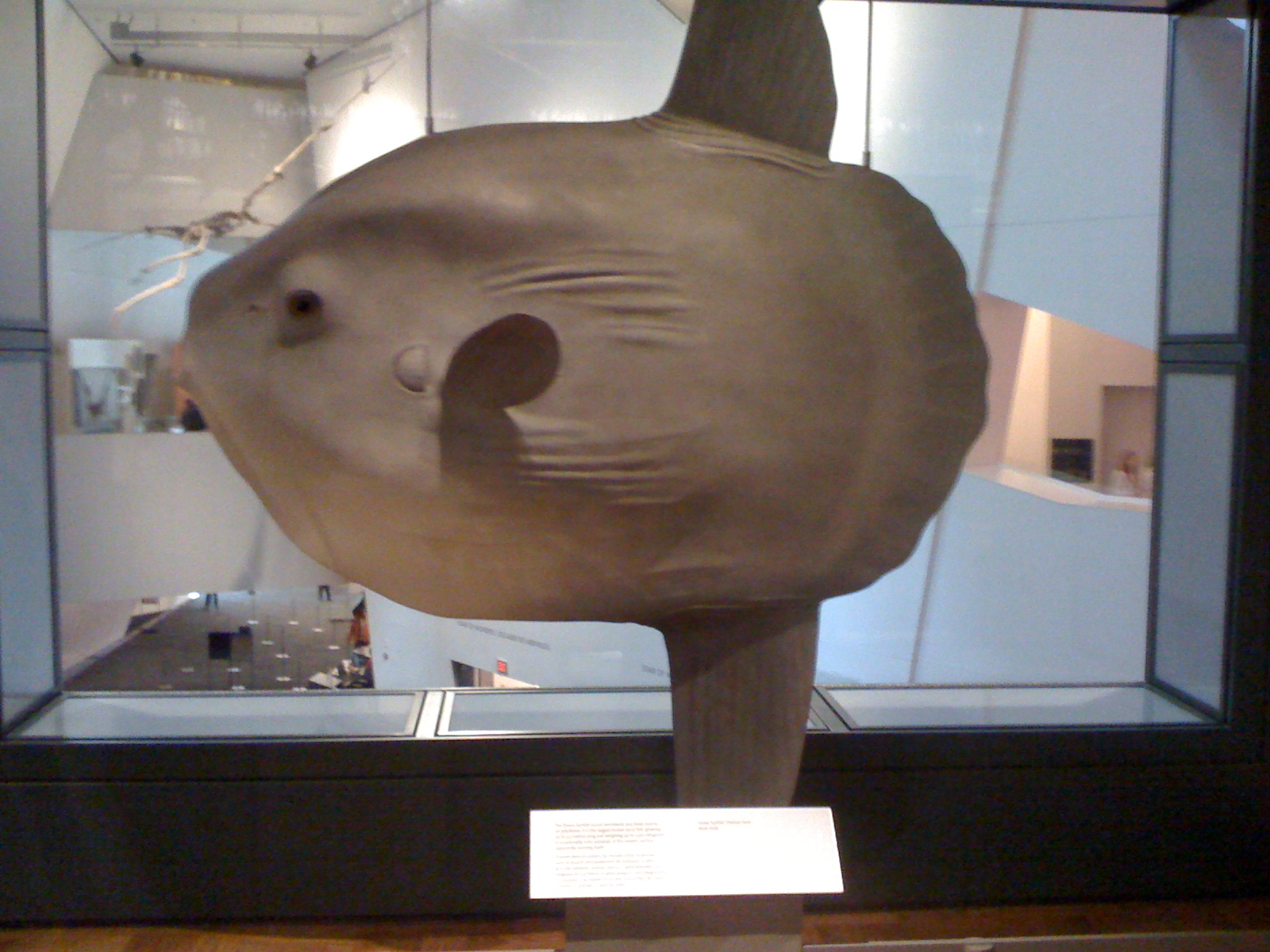

The last suggestion I would make to create a better visit for the ROM's audience is to allow them to somehow download or purchase photos for each section. This is because most audience want to take pictures with or of the objects they are reading about. If there were a download imaging booth for each section, it would sort of cool and interactive for the visitors.
Saturday, November 27, 2010
Sapient Nitro - In-class group discussion
On Friday in Career Option class, a few employees from Toronto's Sapient Nitro came to visit and we had a nice group discussion and informal presentation. Sonia, Eiko, and David are all employees at Sapient. Sonia is the Director of Human Resources, Eiko is the Associate Creative Director for U/X focus, and David is the Senior Art Director at Sapient Nitro.

During this discussion and presentation, they started out giving us a brief and descriptive about Sapient and Sapient Nitro (the creative side of Sapient). Sapient is a company that has 6000 employees globally. They are a company that focuses from creative design, technology, project management to user experience. Sapient is a company that has end-to-end capabilities. This means that they can build things on their own without having to outsource any of their designs to other technology companies. They design, create and delivers all. Sapient is company that has a great diversity of positions. This is a company that gives you opportunity to learn and grow. It is also a company that allows you to travel a lot and you can even have a career manager who will assist your career path at Sapient.
In the Toronto office, SapientNitro is located downtown, Richmond and Spadina. They have around 200 employees and is currently adding more. The office mainly focuses on digital work. Their goal is to be like a full production agency, just like the New York Sapient.
One very important that they also mentioned to us what is User Experience and how they achieve it,
User experience is basically designing solutions for the user. It is important to when doing design research that we go and talk to people about online experience, build up personnas of your target, and do whatever it takes to learn about them as much as possible.
During this discussion, they've also explained to us a few things they will particularly look for when it comes to hiring an employee:
Another very interesting thing that I found during this discussion was the video they showed us about their most recent and current design work. It was very well done and it certainly intrigued me to find out more about them and even consider to apply there once I grad!

During this discussion and presentation, they started out giving us a brief and descriptive about Sapient and Sapient Nitro (the creative side of Sapient). Sapient is a company that has 6000 employees globally. They are a company that focuses from creative design, technology, project management to user experience. Sapient is a company that has end-to-end capabilities. This means that they can build things on their own without having to outsource any of their designs to other technology companies. They design, create and delivers all. Sapient is company that has a great diversity of positions. This is a company that gives you opportunity to learn and grow. It is also a company that allows you to travel a lot and you can even have a career manager who will assist your career path at Sapient.
In the Toronto office, SapientNitro is located downtown, Richmond and Spadina. They have around 200 employees and is currently adding more. The office mainly focuses on digital work. Their goal is to be like a full production agency, just like the New York Sapient.
One very important that they also mentioned to us what is User Experience and how they achieve it,
User experience is basically designing solutions for the user. It is important to when doing design research that we go and talk to people about online experience, build up personnas of your target, and do whatever it takes to learn about them as much as possible.
During this discussion, they've also explained to us a few things they will particularly look for when it comes to hiring an employee:
- If you can basically get up and talk to others easily, you're already a chosen candidate.
- A great team player
- Come prepared for your interview - laptop or portfolio set up before the interview
- Knowing a bit about the organization of Sapient
- Being to explain the process work in your portfolio
- Showing your process work to explain your work
- Being open as you can about the position's work, being flexible with the duties of the position.
Another very interesting thing that I found during this discussion was the video they showed us about their most recent and current design work. It was very well done and it certainly intrigued me to find out more about them and even consider to apply there once I grad!
Saturday, November 20, 2010
Creative Niche - Resume Workshop
In today's lecture, Adele and Stephen from Creative Niche were nice enough to come into our class and give us a lesson on how to improve our resumes.
Creative Niche is a well-respected talent and creative business services agency. They connect many designers with client job opportunities and great careers. Adele is currently the Director for client services at Creative Niche and Stephen is the President. Both of them has had over 10 years of experience in the design industry and has had various jobs related to design and advertising.
In this class we spent a the time to discuss a few things that would be important and useful for us to know when we come out of school and enter the industry.
Here are a few things that would be important for us to remember.
What are some current market trends
Obvious – production artist, graphic designer, art director
Less obvious – studio manager, production manager, content manager, project manager
Not so obvious – u/x designer, seo/sem specialist, online community manager.
When it comes to job searching, we should take into consideration to accomplish these few key points in order to successfully get interviews and job opportunities
1. Research
2. Skills assessment
3. Use the PAR theory (Problem, Action, Results)
Aside from these three steps, we need to identify our soft skills and incorporate them into resumes. Soft skills are basically personality traits, social graces, communication, language, personal habits, friendliness etc. They tend to be universal, everyone has them.
A good way to keep track of what you do at your previous jobs would be to simply write out your day-to-day activities from each job in detail.
Moving on to developing our resumes, Adele pin-pointed some important aspects that we need to follow when we write our resumes:
Make sure your resumes have objectives
When you're talking about your experience,
State your accomplishment
How you've contributed to a project or an achievement that reflects your work style
When you're writing your education,
State the school
Articulate the things you’ve done at school and related course work
Your resume should answer these 5 questions
1. Who are you?
Name, contact information, title
2. What are you applying for?
Your objective
3. What can you do?
Highlight your skills and abilities
4. What have you accomplished?
Detail your accomplishments and achievements
5. With whom have you worked?
Mention brand or industry, clients, companies, agencies and projects
Format and Design of your Resume
Always edit and proofread
After all the rules and guidelines that CreativeNiche has given us, they were very nice enough to show us a resume sample and give us some small notepads to write notes on. They also gave us some final advice about keeping our resume up to date daily, staying informed about the industry and anticipate changes. We should always update our technical skills and knowledge, continue to participate in portfolio reviews, grow personal networks and build a great personal brand of ourselves.
Before they left, they gave us some contacts to where we can locate them on the internet. They can be found on Twitter, Facebook and even Youtube (used to provide job offers)
website: www.creativeniche.ca

Creative Niche is a well-respected talent and creative business services agency. They connect many designers with client job opportunities and great careers. Adele is currently the Director for client services at Creative Niche and Stephen is the President. Both of them has had over 10 years of experience in the design industry and has had various jobs related to design and advertising.
In this class we spent a the time to discuss a few things that would be important and useful for us to know when we come out of school and enter the industry.
Here are a few things that would be important for us to remember.
What are some current market trends
- Digital / interactive / web
- Mobile
- Rich Internet applications
- Social networking
Obvious – production artist, graphic designer, art director
Less obvious – studio manager, production manager, content manager, project manager
Not so obvious – u/x designer, seo/sem specialist, online community manager.
When it comes to job searching, we should take into consideration to accomplish these few key points in order to successfully get interviews and job opportunities
1. Research
- Identify and research a list of potential employers
- Research market trends
- Consider your needs and goals
- Carefully read job descriptions of your desired position
2. Skills assessment
- Do an inventory of your skills, abilities
- Accomplishments and achievements
- Create sample case studies of your contributions to clients and employers
- Create PARs (Problems, Actions, Results)
3. Use the PAR theory (Problem, Action, Results)
- What challenge do you face?
- What action did you take to overcome the challenge?
- What was the result of your effort?
Aside from these three steps, we need to identify our soft skills and incorporate them into resumes. Soft skills are basically personality traits, social graces, communication, language, personal habits, friendliness etc. They tend to be universal, everyone has them.
A good way to keep track of what you do at your previous jobs would be to simply write out your day-to-day activities from each job in detail.
Moving on to developing our resumes, Adele pin-pointed some important aspects that we need to follow when we write our resumes:
Make sure your resumes have objectives
- Quick statement
- Relate you objective to your audience
- It should be work-centered, not self-centered
- Do not exclude employers
When you're talking about your experience,
- Be concise and specific about accomplishments
- Provide proof of you potential value
- Create an image that matches the company you are applying to.
State your accomplishment
How you've contributed to a project or an achievement that reflects your work style
When you're writing your education,
- Show case academic achievements, extracurricular activities, and related courses
- With 2 years related work experience, education should not be on first page or top of resume
State the school
Articulate the things you’ve done at school and related course work
Your resume should answer these 5 questions
1. Who are you?
Name, contact information, title
2. What are you applying for?
Your objective
3. What can you do?
Highlight your skills and abilities
4. What have you accomplished?
Detail your accomplishments and achievements
5. With whom have you worked?
Mention brand or industry, clients, companies, agencies and projects
Format and Design of your Resume
- Determine layout, format, structure and content
- Should be visibly pleasing and easy to read
- Create a PDF that is you, but relates to the company that you’re applying to
- Make sure it fits within the 8.5x11 format
- Avoid large blocks of colour
- Have two versions ready: Word and PDF
Always edit and proofread
- Review, proofread and spell-check your final document
- Have various versions of your resume if you have more than 2 roles that you are applying for.
- Make sure the design and layout is appropriate for the role in the company
- Track where you have applied – repeated applications look bad
After all the rules and guidelines that CreativeNiche has given us, they were very nice enough to show us a resume sample and give us some small notepads to write notes on. They also gave us some final advice about keeping our resume up to date daily, staying informed about the industry and anticipate changes. We should always update our technical skills and knowledge, continue to participate in portfolio reviews, grow personal networks and build a great personal brand of ourselves.
Before they left, they gave us some contacts to where we can locate them on the internet. They can be found on Twitter, Facebook and even Youtube (used to provide job offers)
website: www.creativeniche.ca
Sunday, October 24, 2010
Fall Tour by Oddly Studios
Last Thursday and Friday was the Fall Tour hosted by Oddly Studios. We had the chance to visit many interactive agencies that were located Toronto and grasp more information about the industry. Unfortunately everyone was divided into separate groups, so not everyone got to visit the agencies that they wanted.
Some of the few places that my group and I got to visit were:
Aside from visiting agencies, we also attended presentations with guest speakers who spoke about their agency and work.
Some presenters included:
A particular design agency that I found intriguing would be Jam3Media. They are a Toronto Flash interactive web agency that was started by three Sheridan students. When I visited their design studio, they had a very creative space and everyone who worked there seemed very friendly and nice. I felt that their work was very intriguing and they had a diverse group of cliental. I also liked their company website, which was made entirely out of flash.
Here is an outlook of their website:


Some of the few places that my group and I got to visit were:
- Organic Inc.
- Henderson Bas
- National Film Board
- Youth Employment Services
- Teehan + Lax
- Jam3Media
- SociMedia
- Sapient Nitro
Aside from visiting agencies, we also attended presentations with guest speakers who spoke about their agency and work.
Some presenters included:
- PixelDream
- Wideawake Entertainment
- Trapeze
- TBWA
A particular design agency that I found intriguing would be Jam3Media. They are a Toronto Flash interactive web agency that was started by three Sheridan students. When I visited their design studio, they had a very creative space and everyone who worked there seemed very friendly and nice. I felt that their work was very intriguing and they had a diverse group of cliental. I also liked their company website, which was made entirely out of flash.
Here is an outlook of their website:


Friday, October 8, 2010
Ryan O'Brien from CTV
Our guest speaker today was a very interesting man who is the creative director at CTV, Ryan O’Brien. Ryan is the creative director at CTV’s digital media group. He deals with over 51 radio stations, 31 television networks and all the web and future platforms related to CTV. He deals with a lot of brand management, web usability, interactive media, traditional display and so forth. He’s been in the creative industry for quite some time. His team deals with 110 websites and there are only 70 employees in his department.

Ryan grew up in Niagara. He attended highschool there and was very interested with theatrical staging. After highschool he took on a theatrical stage internship and learned more about technical staging. After saving up enough money, he attended Humber College for Technical Theatre. But because money wasn’t enough, he couldn’t finish his course. He then learned how to make jewellery and was an apprentice at a piercing and tattoo parlor. During those years he shot breakfast television with a friend and was a bouncer for muchmusic. It was then he an artist and started a clothing line with him. Eventually that didn’t work out and moved back to Toronto and was offered a position at CHUM FM radio station.
Just a few months ago, CTV was bought by Bell Canada, so there has been a lot more teamwork and a lot more work. Ryan believes that in order to survive in this creative industry you have to be able to work with others. Teamwork is a very important aspect. He says that it’s almost impossible or not likely that anyone can single handedly create a competitive website or an interactive experience by themselves. The latest site him and his team launched was the BNN website.

“...make users happy by the end of the day.”
Ryan says that the most important part of his job is to “make users happy by the end of the day.” He spends a lot of the time talking to his boss and client about what he sees for the future. It’s hard to make them believe him, but that is his job. He’s also in charge of giving people what they want, but legally and coming up with new ways to get into people’s face without annoying them. He understands that technology is always changing so it is important to stay relevant. He is always learning.
When it comes to hiring people, Ryan is always looking for

Ryan grew up in Niagara. He attended highschool there and was very interested with theatrical staging. After highschool he took on a theatrical stage internship and learned more about technical staging. After saving up enough money, he attended Humber College for Technical Theatre. But because money wasn’t enough, he couldn’t finish his course. He then learned how to make jewellery and was an apprentice at a piercing and tattoo parlor. During those years he shot breakfast television with a friend and was a bouncer for muchmusic. It was then he an artist and started a clothing line with him. Eventually that didn’t work out and moved back to Toronto and was offered a position at CHUM FM radio station.
Just a few months ago, CTV was bought by Bell Canada, so there has been a lot more teamwork and a lot more work. Ryan believes that in order to survive in this creative industry you have to be able to work with others. Teamwork is a very important aspect. He says that it’s almost impossible or not likely that anyone can single handedly create a competitive website or an interactive experience by themselves. The latest site him and his team launched was the BNN website.

“...make users happy by the end of the day.”
Ryan says that the most important part of his job is to “make users happy by the end of the day.” He spends a lot of the time talking to his boss and client about what he sees for the future. It’s hard to make them believe him, but that is his job. He’s also in charge of giving people what they want, but legally and coming up with new ways to get into people’s face without annoying them. He understands that technology is always changing so it is important to stay relevant. He is always learning.
When it comes to hiring people, Ryan is always looking for
- Team players
- Web designers that doesn’t just count on WYSIWYG websites but also understands the text coding of it.
- Designers who have a solid foundation with design.
- People that understand the emerging technological era and is up to date on the latest technology.
- Someone who is a communicator.
Saturday, October 2, 2010
Stephen Bennett from Juniper Park
In class today, Stephen Bennett from Juniper Park was nice enough to come in to Sheridan and share with us his experience in the industry. Stephen Bennett is currently the creative director at Juniper Park. He loves everything that is digital as well. He started out as a traditional designer like most of us, who worked with brand identity, print design, and traditional advertising. He realized that there was a big potential space to grow with the Internet and digital mediums, which caused him to move onwards to working with digital design.

Juniper Park itself is a company that is a little over 3 years old. It has over 75 employees and their major clients include, Fritos Lays, Pepsico, Quaker, Mrs Vickies, Sun Chips, Lays and Virgin Mobile. Juniper Park is a company who uses the vendor model. They are a company who focuses on the creative side of a design, coming up with ideas, and then outsourcing their production work to other companies. There is very minimal production work that is created at Juniper Park. They understand that it is no longer just about advertising for client, but it is about designing solutions for clients.
He also taught us what pure play and Integrated companies meant in the industry.
Pure play – Companies that work with pure digital media for their designs. Henderson BAS, Blue Zone, Ninedots, Mod7, Blast Radius are all examples of pure play companies.
Integrated – The traditional agencies that work with every medium of design. McLaren McCann, Grip Limited, and Juniper Park are all examples of integrated companies.
Stephen showed us a model of the three primary thinking that comes into play when it comes solving design problems. He says that it is important that these three elements integrate together when it comes to thinking about design solutions.

A great example for a well-established brand: Apple
Apple saw the idea that everyone wants to be creative in a way, but they can’t because they lack the tools to do so. Therefore, Apple came out with the solution that their products would be the easy accessible tools for these people to be creative in their lives. Apple provided us with a creative lifestyle.
When Juniper Park worked on Quaker, they established the fact that mornings are the time of the day where great things happen. With that idea, they came up with the concept that amazing mornings lead to amazing days. They then got Bob Harper to become the Quaker coach, who was young and attractive, to coach their targets to how they can create this amazing morning and also to build the Quaker brand in a different perspective. Another brand they worked on was Sunchips. Sunchips was always a brand that was healthy and ecofriendly. It was a significantly different compared to other chip brands. They built around that idea because they knew everyone wanted to better their lives easily. Being said that, they placed Sunchip in a position to being the “small thing” we have in our lives that can better it and better the world without having to give up much.
Some advice Stephen gave us to remember when we step into the industry:
It’s not about whom you know, but who knows you – we have to get out there and meet these people; bombard them with emails (if we have to). It is the only way these creative people will remember you and find you right away when they are looking for a new creative.
Digital is in a healthy place right now. It’s expanding. – The digital world right now is expanding; there is plenty of room to grow. It’s not just about the Internet and websites. There are all forms of digital media that is growing. We should always be up to date about it.
Make friends – It’s always the best way to stay connected to the industry. Goes back to making sure they know who you are.
Be curious – Expand on your tools. Find out what’s going on. You have to be curious in order to be innovative.
Take your time – Don’t expect to be a creative director over night. Everything takes time to grow. You must start from the bottom to get to the top.

Execution is everything – a great idea will always be useless if you cannot execute it perfectly. Small mistakes add up.
What’s your story? Always take into consideration with what story you want to tell people in this industry. You are your own verbal brand.
Stephen is a guy who loves the ipad. He thinks it’s a great idea to approach new digital technology. He feels that it’s product that stands strong between an iphone and a macbook. He isn’t much of a fan for facebook, but because he knows it’s related to a lot of digital innovations, it’s inevitable to be away from it. He says that facebook is a site where the content changes often, because they control most of their own content. He advises us that if we were to work with facebook apps, we need to be aware of its frequent changes and our digital solutions need to adjust to them. (Example, building a microsite on facebook)
Latency and Culture latency is something we should always keep in mind. Latency is the moment something initiates and the moment the thing we’ve initiated takes into effect. Culture latency is when something takes into effect, the amount of time it stays relevant and interesting.

It is important that we stay relevant. New innovations are happening everyday that cultural latency doesn’t last long enough anymore. We are so open today with new ideas and new things happening, we have to stay on top and updated to stay relevant.
All together, Stephen’s presentation was really informative and interesting. It was great listening to him and it was good that he gave us advice we will find useful to us in the future when we want to step into the industry.
Info:
website: www.juniperpark.com
email: stephen.bennett@juniperpark.com

Juniper Park itself is a company that is a little over 3 years old. It has over 75 employees and their major clients include, Fritos Lays, Pepsico, Quaker, Mrs Vickies, Sun Chips, Lays and Virgin Mobile. Juniper Park is a company who uses the vendor model. They are a company who focuses on the creative side of a design, coming up with ideas, and then outsourcing their production work to other companies. There is very minimal production work that is created at Juniper Park. They understand that it is no longer just about advertising for client, but it is about designing solutions for clients.
He also taught us what pure play and Integrated companies meant in the industry.
Pure play – Companies that work with pure digital media for their designs. Henderson BAS, Blue Zone, Ninedots, Mod7, Blast Radius are all examples of pure play companies.
Integrated – The traditional agencies that work with every medium of design. McLaren McCann, Grip Limited, and Juniper Park are all examples of integrated companies.
Stephen showed us a model of the three primary thinking that comes into play when it comes solving design problems. He says that it is important that these three elements integrate together when it comes to thinking about design solutions.

IF YOU WAKE UP TOMORROW AND THEY WERE GONE, WOULD YOU CARE?
It’s not likely we’ll care if a certain product is gone from our lives. This is because the brand was not connected to us. But a good company will have a brand that is connected to our lives and if it’s gone from us, we might care. This was a good question that was brought up during the presentation. Stephen taught us that it’s not always the products that make up the brand, it’s rather the idea you create that makes the brand. Company sells products and the brand sells the idea. Stephen says that it is important that we can create stories that can be shared to people and it is important to come up with ideas that can be talked about. The brand is very important and it matters a lot to companies. And this is what Juniper Park does, establishing emotions to a company’s brand.A great example for a well-established brand: Apple
Apple saw the idea that everyone wants to be creative in a way, but they can’t because they lack the tools to do so. Therefore, Apple came out with the solution that their products would be the easy accessible tools for these people to be creative in their lives. Apple provided us with a creative lifestyle.
When Juniper Park worked on Quaker, they established the fact that mornings are the time of the day where great things happen. With that idea, they came up with the concept that amazing mornings lead to amazing days. They then got Bob Harper to become the Quaker coach, who was young and attractive, to coach their targets to how they can create this amazing morning and also to build the Quaker brand in a different perspective. Another brand they worked on was Sunchips. Sunchips was always a brand that was healthy and ecofriendly. It was a significantly different compared to other chip brands. They built around that idea because they knew everyone wanted to better their lives easily. Being said that, they placed Sunchip in a position to being the “small thing” we have in our lives that can better it and better the world without having to give up much.
Some advice Stephen gave us to remember when we step into the industry:
It’s not about whom you know, but who knows you – we have to get out there and meet these people; bombard them with emails (if we have to). It is the only way these creative people will remember you and find you right away when they are looking for a new creative.
Make friends – It’s always the best way to stay connected to the industry. Goes back to making sure they know who you are.
Be curious – Expand on your tools. Find out what’s going on. You have to be curious in order to be innovative.
Take your time – Don’t expect to be a creative director over night. Everything takes time to grow. You must start from the bottom to get to the top.

Execution is everything – a great idea will always be useless if you cannot execute it perfectly. Small mistakes add up.
What’s your story? Always take into consideration with what story you want to tell people in this industry. You are your own verbal brand.
Stephen is a guy who loves the ipad. He thinks it’s a great idea to approach new digital technology. He feels that it’s product that stands strong between an iphone and a macbook. He isn’t much of a fan for facebook, but because he knows it’s related to a lot of digital innovations, it’s inevitable to be away from it. He says that facebook is a site where the content changes often, because they control most of their own content. He advises us that if we were to work with facebook apps, we need to be aware of its frequent changes and our digital solutions need to adjust to them. (Example, building a microsite on facebook)
Latency and Culture latency is something we should always keep in mind. Latency is the moment something initiates and the moment the thing we’ve initiated takes into effect. Culture latency is when something takes into effect, the amount of time it stays relevant and interesting.

It is important that we stay relevant. New innovations are happening everyday that cultural latency doesn’t last long enough anymore. We are so open today with new ideas and new things happening, we have to stay on top and updated to stay relevant.
All together, Stephen’s presentation was really informative and interesting. It was great listening to him and it was good that he gave us advice we will find useful to us in the future when we want to step into the industry.
Info:
website: www.juniperpark.com
email: stephen.bennett@juniperpark.com
Sunday, September 26, 2010
Missed out on a very informative guest speaker - Meg Kerr
Last Friday, we had Meg Kerr come into our web design course at Sheridan. Unfortunately I had a wedding to go to back in Toronto, so I was unable to attend this informative session. Luckily one of my classmates, Ashley, was nice enough to inform me on some notes and also update me a bit about Meg.
Meg is a Social Media Integration Marketer at Mosaic. She started working there in 2006 and became full time in 2007. She achieved an undergraduate degree at Western University for Media Information and Technology and also attended Fanshawe College for Broadcast Journalism.
She currently works at Mosaic, which is an Experiential Marketing Agency. It's had over 20 years of success in it's field and has over 1000's of consumer events every year at retail locations, community events, or other targeted locations.
To find out more about Mosaic, their website address is http://www.mosaicxm.com
Meg is a Social Media Integration Marketer at Mosaic. She started working there in 2006 and became full time in 2007. She achieved an undergraduate degree at Western University for Media Information and Technology and also attended Fanshawe College for Broadcast Journalism.
She currently works at Mosaic, which is an Experiential Marketing Agency. It's had over 20 years of success in it's field and has over 1000's of consumer events every year at retail locations, community events, or other targeted locations.
To find out more about Mosaic, their website address is http://www.mosaicxm.com
Friday, September 17, 2010
Guest Speaker: Jay Schacher, Senior Designer at Henderson Bas
Today was the first week we had a guest speaker come into our class for a presentation about themselves and their work.


Some of the stuff on Jay's website portfolio:


- Jay is currently three months into his new job at Henderson Bas
- He is the Senior Designer for HB and hopes to become an Art Director within these 5 years.
- He was a graduate at York University for Fine Arts and Media in 2005, and also took the Web Design program and graduated in 2006.
- Jay tells us that there are around 80 employees at Henderson Bas.
- In the creative department @ HB, there are 4 Jr Designers, 3 Sr. Designers, 3 Art Directors, 1 Creative Director and Creative Associate Director.
- Henderson Bas is an Interactive Designer Agency that specializes with online ads, mobile, and print.
- Jay's job requires him to report to art directors, creative director and the final sign off goes to the account manager before presenting to the clients.
- Some of his current projects include the website for LG Shine Plus (website for the new Android phones), LG Get Connected Website.
- He mentioned that HB likes to have their photography done by themselves.
- He's also done an online ad for Mercedes Benz about the new C Class car.
- At HB, the design process starts with brainstorming, sketching concept, presentation to the client, designing the actual chosen concept, building the design, and then revision.
- Jay advises us to always cherish our student work. It's only then we are free to design what we like instead of what the client likes.
- He believes that we should always stay close with our school mates, network a lot, and always be a team player, not a hero.
- his portfolio address is www.jayshack.com


- The Jamiesons website was the very first piece of work he did when he first entered the industry. He worked extremely hard on it because it was important to impress people.
- When Jay was hired by Henderson Bas, it was through networking with another friend of his.
- His advice us is to always visit design shops as much as possible, focus on typography, be more social and work really really hard!
- He says that the interactive agency industry is very good here in Toronto because it is the third's biggest interactive media city in all of North America. It has great opportunities for us.
Friday, September 10, 2010
Week 1 - First week of class
First week of class is almost done! Yay to that. I can finally sleep in tomorrow. A little nervous to present my portfolio later on. Hope all goes well.
Subscribe to:
Posts (Atom)